

Understanding Dietary Nutrients and Essential Vitamins for Men's Well-being

Kylos is an independent educational resource dedicated to explaining the role of nutrition and dietary nutrients in supporting overall health. This website presents scientifically-backed information about vitamins, minerals, and balanced nutrition principles.

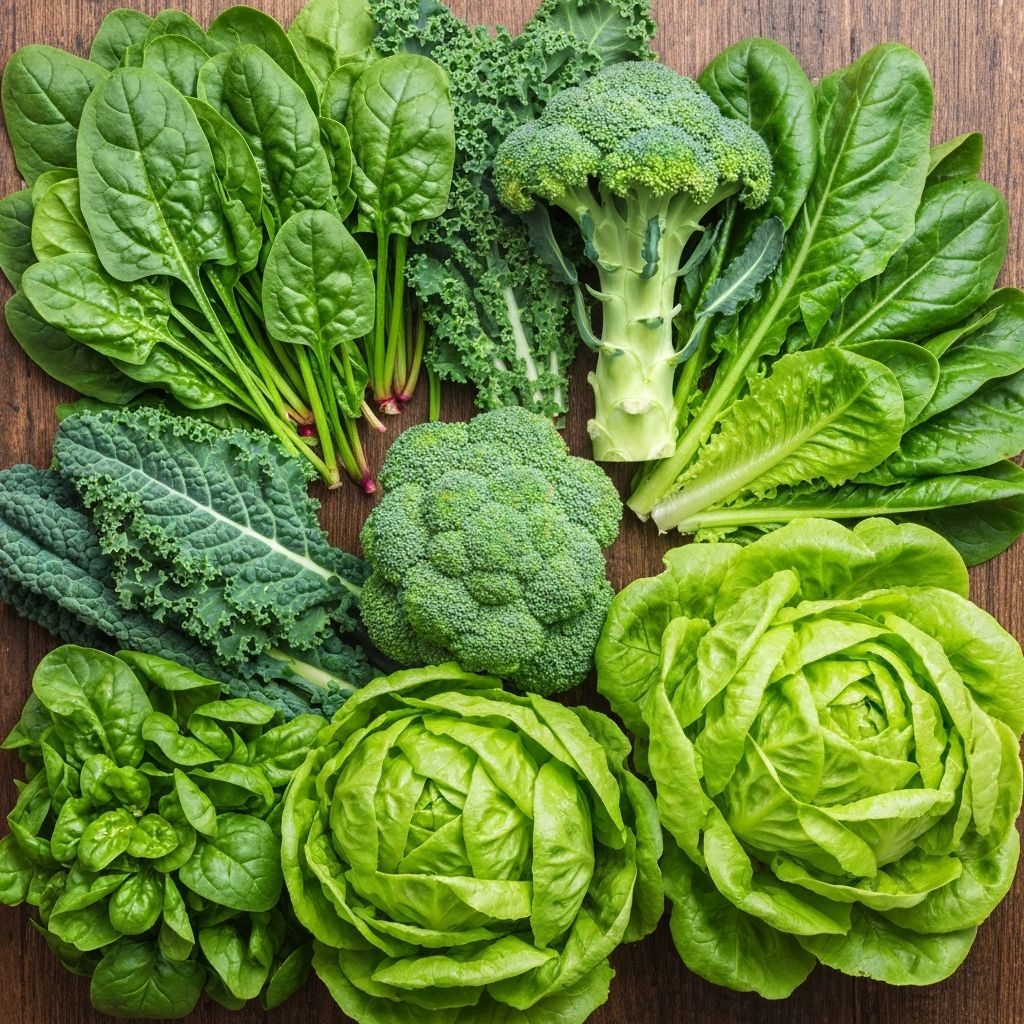
Fresh vegetables and healthy food

The Foundations of Male Nutrition

Proper nutrition is fundamental to maintaining good health and vitality. For men, a balanced diet that includes adequate macro and micronutrients supports various bodily functions, energy levels, and long-term wellness.

Protein Sources

Essential for muscle maintenance, enzyme production, and various metabolic functions. Found in meat, fish, eggs, legumes, and dairy products.

Whole Grains

Provide sustained energy and important fiber. Include brown rice, oats, whole wheat bread, and quinoa in your diet.

Healthy Fats

Support brain function and nutrient absorption. Sources include avocados, nuts, seeds, and olive oil.

Essential Vitamins and Their Roles

Vitamins are organic compounds that support numerous biological processes. Here are some key vitamins important for men's health:

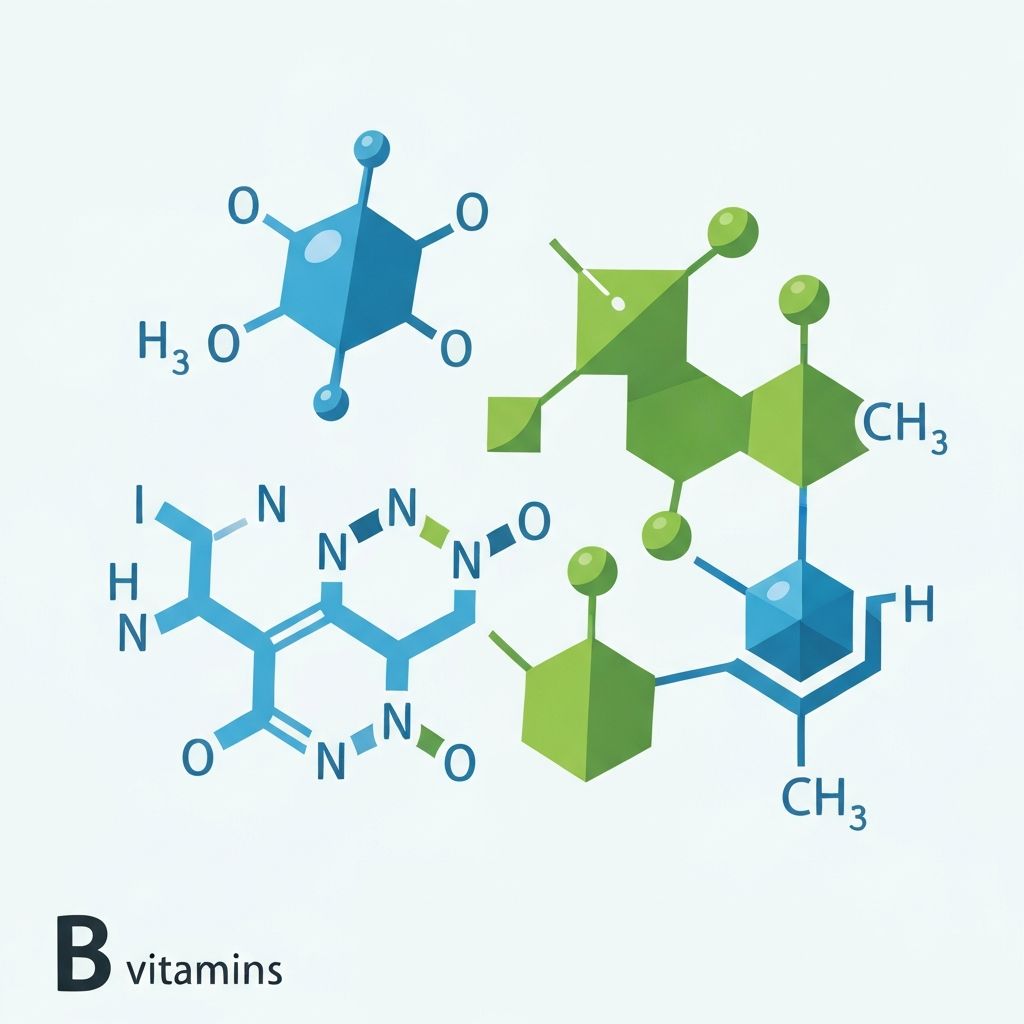
B vitamins representation

Vitamin B Complex

B vitamins (B1, B2, B3, B5, B6, B7, B9, B12) are crucial for energy metabolism, nervous system function, and red blood cell formation. They support the conversion of food into energy.

Vitamin D and sunlight

Vitamin D

Supports bone health, calcium absorption, and immune function. The body produces it through sun exposure, and it's also found in fatty fish, egg yolks, and fortified dairy products.

Citrus fruits with vitamin C

Vitamin C

An antioxidant that supports immune function, collagen synthesis, and iron absorption. Abundant in citrus fruits, berries, and leafy greens.

Minerals Crucial for Men's Health

Minerals play vital roles in bone structure, oxygen transport, energy production, and numerous metabolic processes:

Mineral Primary Functions Common Sources
Zinc Immune function, protein synthesis, wound healing Oysters, beef, chickpeas, cashews, pumpkin seeds
Magnesium Muscle and nerve function, energy production, bone health Spinach, almonds, pumpkin seeds, dark chocolate, whole grains
Selenium Antioxidant defense, thyroid function, DNA synthesis Brazil nuts, tuna, turkey, eggs, brown rice
Iron Oxygen transport, energy metabolism, cognitive function Red meat, poultry, beans, lentils, fortified cereals
Calcium Bone and teeth structure, muscle contraction, nerve transmission Dairy products, leafy greens, almonds, sardines

Food Sources for Vital Nutrients

A varied diet ensures you obtain a broad spectrum of nutrients. Different food groups provide different nutritional profiles:

  • Proteins: Lean meats, fish, eggs, legumes, dairy
  • Vegetables: Leafy greens, broccoli, carrots, peppers, tomatoes
  • Fruits: Berries, citrus, apples, bananas, avocados
  • Whole Grains: Brown rice, oats, whole wheat, quinoa
  • Healthy Fats: Nuts, seeds, olive oil, fatty fish
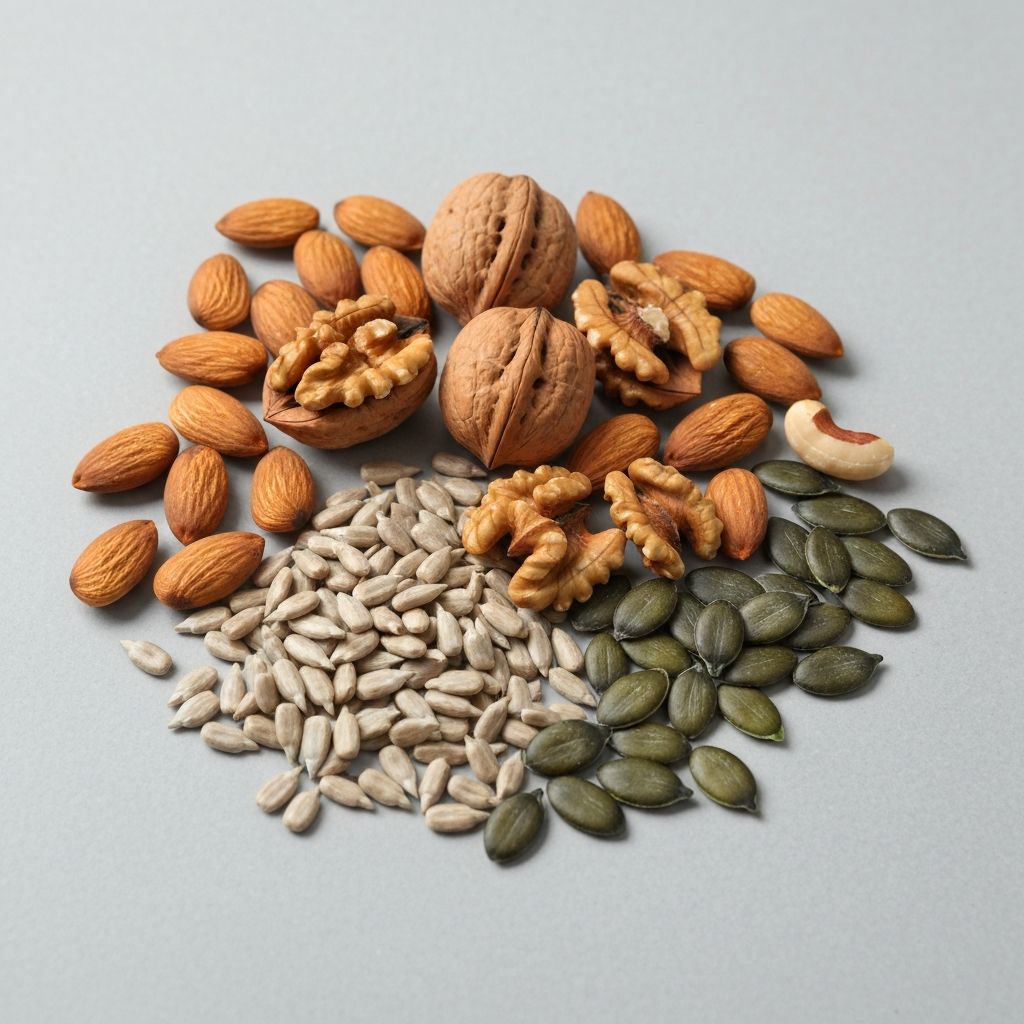
Nuts and seeds variety
Protein sources and healthy foods

Protein: Building Block of Life

Proteins are composed of amino acids and are essential for building and maintaining muscles, producing enzymes and hormones, and supporting immune function. Quality protein sources include both animal and plant-based options.

Including a variety of protein sources ensures you get all nine essential amino acids your body cannot produce on its own.

Hydration: An Overlooked Element

Water is essential for virtually every biological function: temperature regulation, nutrient transport, waste elimination, and joint lubrication. While individual needs vary based on activity level and climate, a common recommendation is to drink sufficient water throughout the day.

Other beverages like herbal teas and water-rich foods (fruits and vegetables) also contribute to hydration. Limiting sugary drinks is advisable as part of a balanced approach to overall wellness.

Hydration Tip

A practical approach is to drink water regularly throughout the day and adjust intake based on your activity level and climate. Thirst is a natural indicator of your body's hydration needs.

The Impact of Lifestyle on Diet

Nutrition works in conjunction with other lifestyle factors to support overall health:

Physical Activity

Regular moderate activity like walking, cycling, or gardening influences nutritional needs. Active individuals may require different nutrient amounts, particularly for energy and muscle support.

Sleep and Stress

Quality sleep and stress management support metabolic health. Good nutrition can complement these factors in supporting overall well-being and recovery.

Age and Individual Variation

Nutritional requirements change throughout life. What works for one person may differ for another based on genetics, metabolism, health status, and personal circumstances.

Environmental Factors

Seasonal availability of foods, climate, and geographic location influence access to various nutrients. Adaptation and variety are key to meeting nutritional needs year-round.

Understanding Macronutrients

Macronutrients are nutrients needed in large quantities. They provide energy and are essential for bodily functions:

Carbohydrates

The primary source of energy for the body. They fuel the brain, muscles, and other organs. Sources include whole grains, fruits, vegetables, and legumes. Choose complex carbohydrates for sustained energy.

Proteins

Essential for muscle building, tissue repair, enzyme and hormone production, and immune support. Adequate protein intake supports various physiological processes critical for men's health and vitality.

Fats

Essential for hormone production, vitamin absorption, and brain function. Healthy fats from sources like nuts, seeds, fish, and oils support various biological processes and should be part of a balanced diet.

Debunking Nutritional Myths

Healthy fats from sources like avocados, nuts, seeds, and fish are beneficial for heart, brain, and overall health. The key is choosing unsaturated fats while limiting saturated and trans fats.
Whole grains, fruits, and vegetables provide important nutrients and fiber. The quality and quantity of carbohydrates, along with overall caloric intake, matters more than carbs alone.
A balanced diet with variety in whole foods can provide most nutrients. Whole foods offer not just isolated nutrients but also fiber, phytonutrients, and synergistic compounds that supplements cannot fully replicate.
Regular, balanced meals support stable metabolism and energy levels. Skipping meals often leads to overeating later and nutrient deficiencies. Consistency is more beneficial than restriction.

Dietary Guidelines for Adults

Most reputable health organizations provide general dietary guidance based on scientific research. While individual needs vary, common recommendations include:

Balance Your Plate

Include vegetables, fruits, whole grains, protein sources, and healthy fats in each meal. Variety ensures a spectrum of nutrients.

Portion Awareness

Being mindful of portion sizes supports maintaining a healthy weight and prevents overconsumption.

Limit Certain Items

Reduce added sugars, excess salt, and ultra-processed foods. These are general recommendations supported by nutritional science.

Stay Consistent

Long-term health benefits come from sustained, consistent eating patterns rather than temporary changes.

The Role of Antioxidants

Antioxidants are compounds that help protect cells from oxidative stress. They are naturally present in many foods:

Colorful berries with antioxidants

Antioxidant-Rich Berries

Blueberries, raspberries, and strawberries are excellent sources of antioxidants. Regular consumption supports overall cellular health.

Dark leafy greens

Leafy Greens

Dark greens like kale and spinach contain various antioxidants and phytonutrients that support protective mechanisms in the body.

Green tea

Antioxidant Beverages

Green and black tea contain polyphenols and other antioxidant compounds. Enjoyed as part of a balanced lifestyle, they contribute to overall wellness.

Fiber: Essential for Digestive Health

Dietary fiber supports digestive function, regular bowel movements, and overall metabolic health. It's found in whole grains, vegetables, fruits, and legumes.

Whole grains like brown rice, oats, and whole wheat provide both soluble and insoluble fiber. Vegetables and fruits offer additional fiber along with vitamins and minerals. Legumes like beans and lentils are particularly fiber-rich and also provide protein.

Fiber Tip: Gradually increase fiber intake and drink plenty of water. Quick increases may cause digestive discomfort, while consistent, moderate increases support adaptation.

Balanced Plate Composition

A practical approach to balanced nutrition is the "plate method" - visually balancing food groups on your plate:

  • Half the plate - Vegetables & Fruits: Provide fiber, vitamins, and minerals with relatively low calories
  • Quarter plate - Protein: Supports muscle and tissue maintenance
  • Quarter plate - Whole Grains: Provide sustained energy and fiber
  • Healthy Fats: In moderation, supporting nutrient absorption and satiety

This visual guide helps ensure variety and balance at each meal.

Balanced plate with vegetables and grains
Disclaimer - Informational Context: This website provides educational information about nutrition and dietary principles. The information presented is general in nature and does not constitute personalized medical advice, diagnosis, or treatment recommendations. Nutritional needs vary significantly among individuals based on genetics, health status, age, activity level, and other factors. This content is not intended to replace professional medical consultation or personalized dietary guidance from qualified healthcare professionals. Individual responses to dietary changes vary widely. Always consult with a healthcare provider before making significant dietary changes, especially if you have existing health conditions or concerns.

Continuous Learning in Nutrition

Nutrition science continues to evolve with new research. Staying informed through reputable sources helps you make informed choices about your diet and health. Understanding the basics of nutrition empowers you to evaluate information critically and make decisions aligned with your individual circumstances.

This educational resource aims to provide accessible, science-based information to support your understanding of nutrition principles. Further exploration of specific topics is encouraged for deeper knowledge.

Explore More Nutritional Insights

Discover additional information and topics related to nutrition and well-being through our other sections: